RMH News

Village's concern over sewage discharge in dry river
Campaigners call for restrictions on sewage treatment plant discharging effluent during drought
What was the first animal that ever lived on Earth?
A fungus that can survive in Chernobyl could help create materials that trap and break down nerve agents and pesticides

The University of Florida revives the ‘Gator bait’ cheer, reversing a ban over its troubling history

Some people claim to speak many languages. But what does it really mean to be a polyglot?

Latest
What’s behind the bedazzling mania that’s taken over high school and college campuses?
The popularity of these crafting activities may signal a broader desire to unplug and engage in something tangible and tactile. Olga Yastremska/iStock via Getty Images The art of transforming everyday objects from drab to fab is having a moment. Bedazzling is experiencing a quasi-revival, while a newer craft, diamond painting, has emerged as its shiny cousin. Both crafts involve placing resin gems or crystals on…

As US farms consolidate, small-town America has been losing out
The farmer-poet Wendell Berry once described a dystopian world where society is singularly directed toward “the objective” – a relentless drive for industrial extraction that leads to the destruction of nature and communities. The idea captured Berry’s concerns about the industrialization of agriculture and the expansion of natural resource extraction that became prominent across rural America in the latter decades…

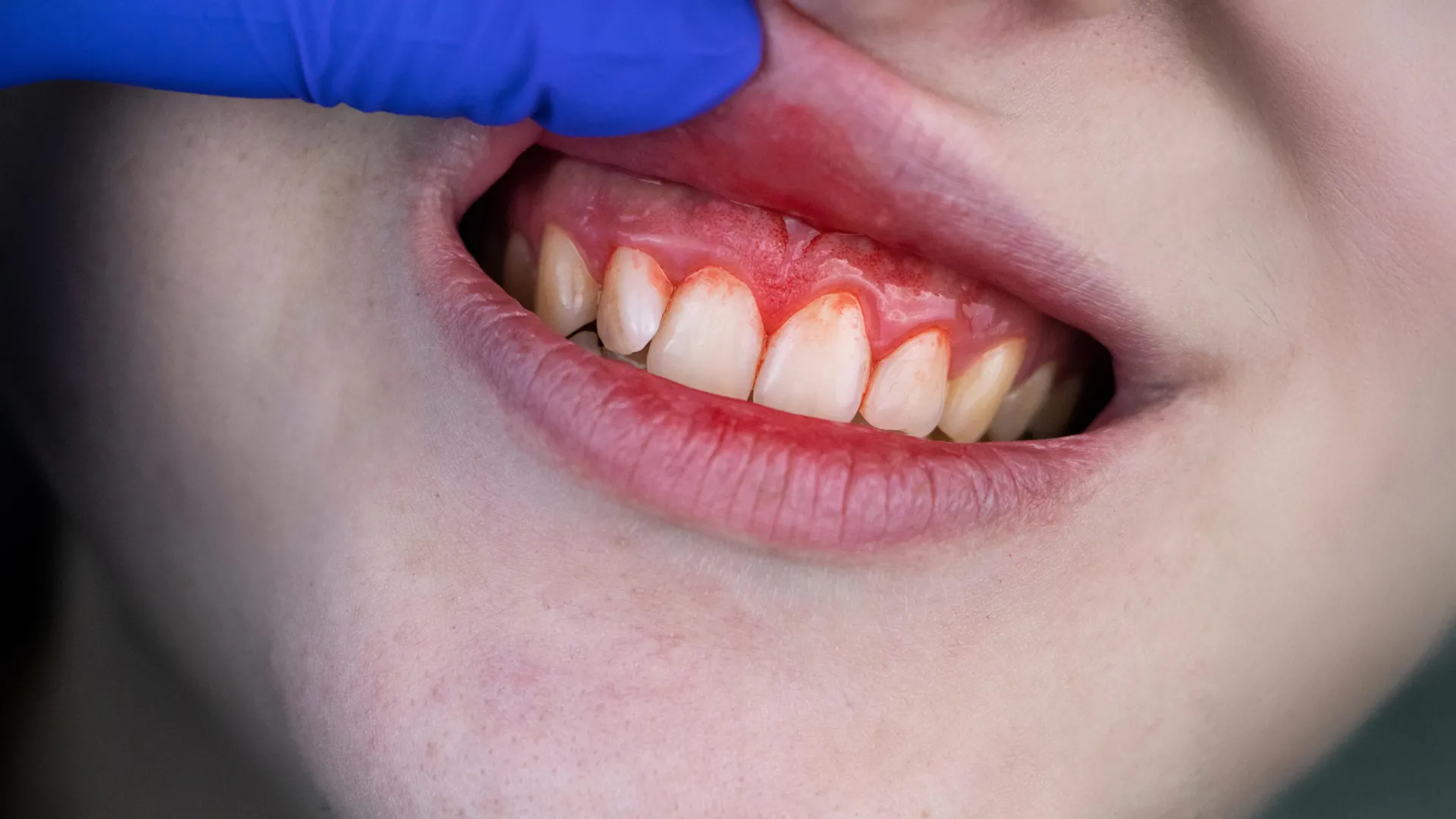
New gum disease treatment kills bad bacteria while sparing the good
Researchers in Japan have developed an innovative gum disease treatment that uses egg yolk antibodies and near-infrared light to destroy harmful bacteria without harming beneficial microbes. Unlike conventional treatments, the approach preserves the mouth's natural bacterial balance and protects healthy gum cells. In mice, it significantly reduced the bone loss associated with periodontitis, a major cause of tooth…
A galactic shock wave could rewrite the map of the Milky Way
A surprising discovery suggests the Milky Way may be making stars in places where most galaxies cannot. Scientists found evidence that a massive rotating structure near the galactic center is creating powerful shock waves that trigger star formation rather than suppress it. Even more unexpectedly, part of the Norma spiral arm may not be a spiral arm at all, but a vast region where new stars are being born.

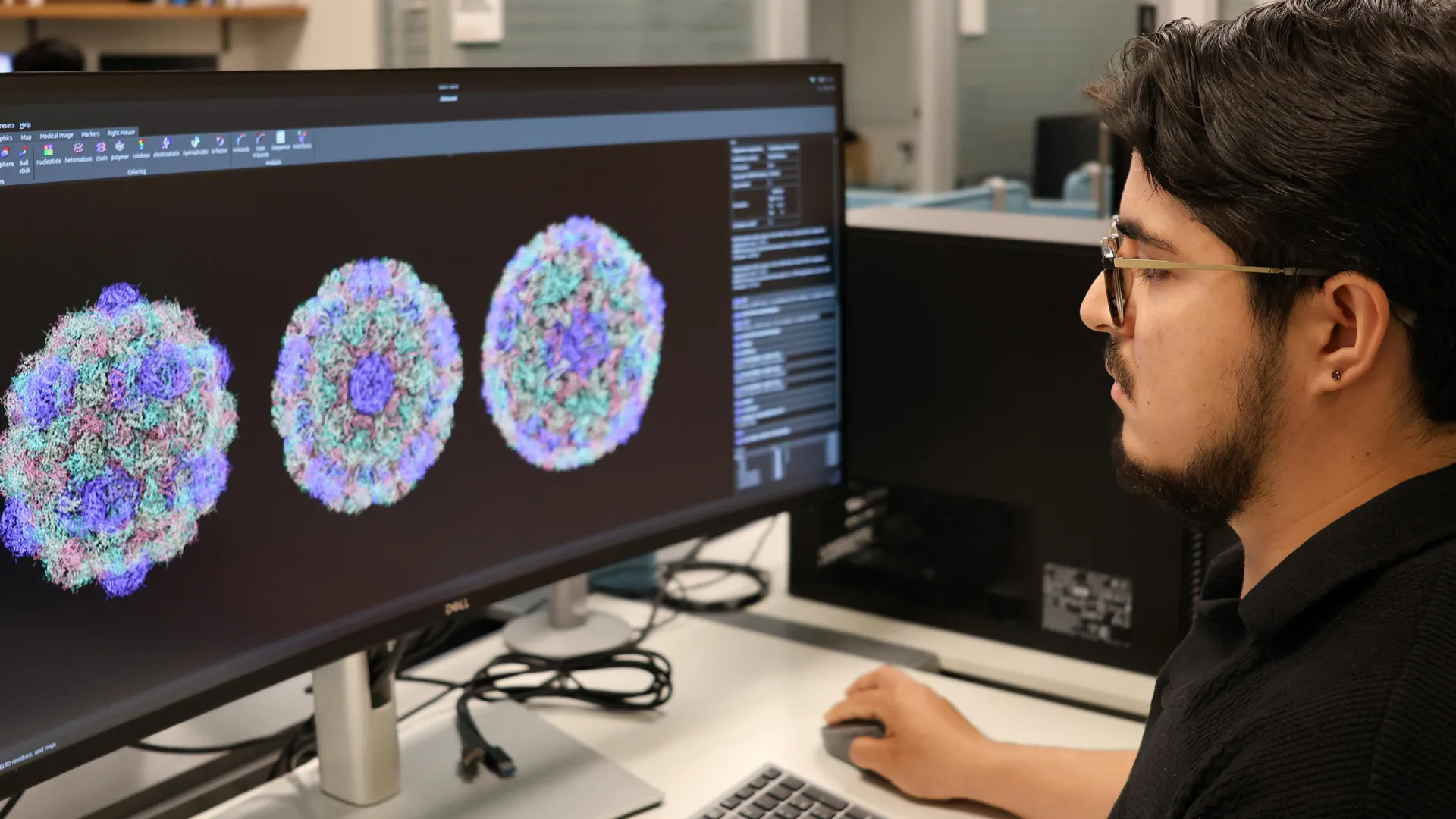
Mysterious new viruses reveal a missing link in evolution
Scientists have discovered previously unknown viruses that could help explain how some of life’s earliest biological structures evolved. The surprising findings challenge a longstanding evolutionary theory and suggest that viruses may have hidden capabilities far beyond simply infecting cells.
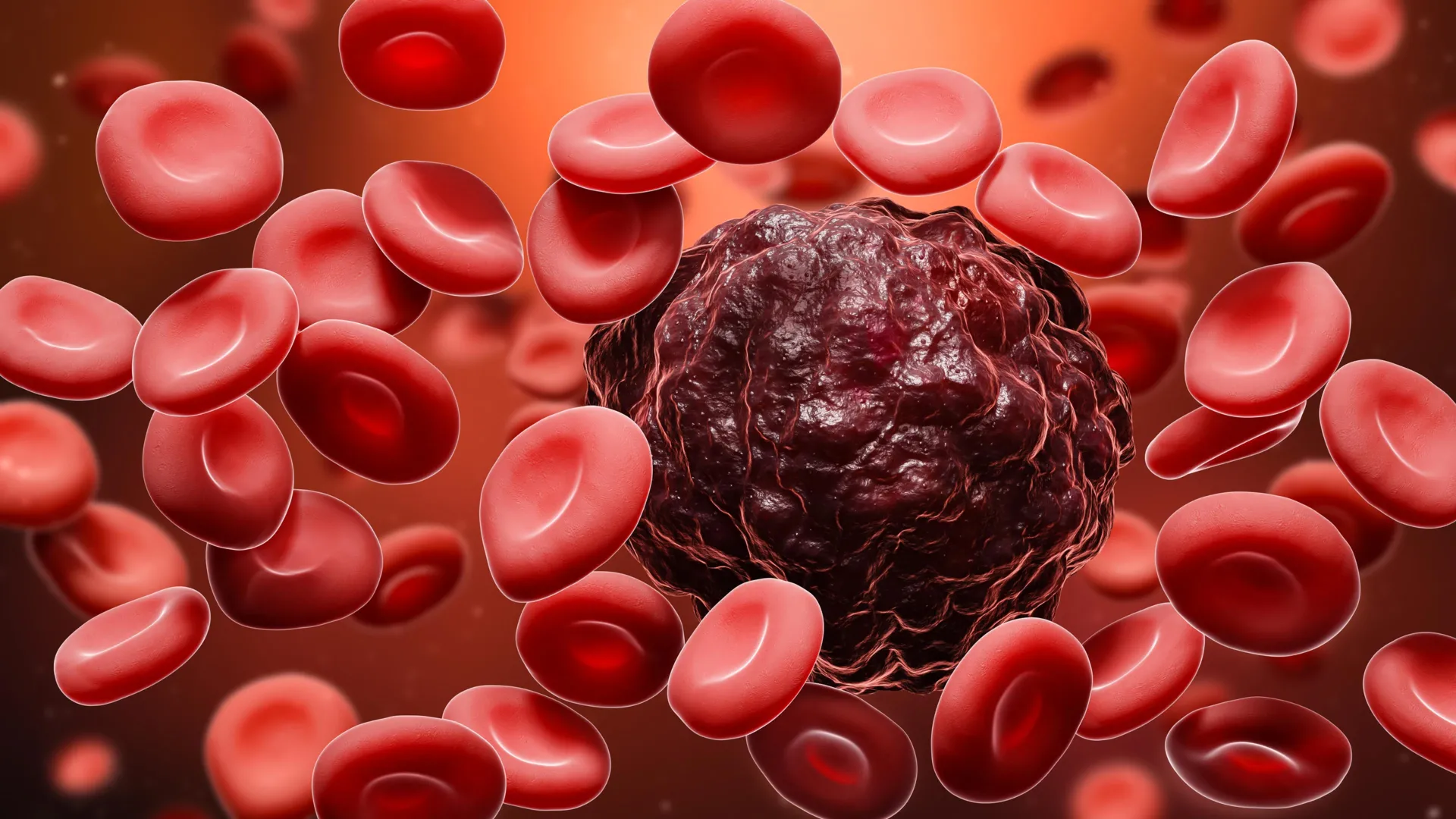
Scientists discover that leukemia can begin developing 50 years before diagnosis
A groundbreaking study reveals that acute myeloid leukemia (AML), an aggressive blood cancer, can begin developing more than 50 years before diagnosis, with the first cancer-driving mutation appearing before age 20 in two-thirds of cases. Scientists discovered that these mutated cells grow in surprisingly predictable patterns, accelerating dramatically as additional mutations accumulate.
Archaeologists reveal a powerful Iron Age king may have been a woman
Archaeologists have uncovered evidence that Verica, the Iron Age ruler whose exile helped trigger Rome’s invasion of Britain in AD 43, was actually a woman. The discovery challenges centuries of historical assumptions and suggests that a largely forgotten female leader may have changed the course of British history.
This tiny spider named after Stephen Colbert has a genome 50% larger than a human’s
A tiny California trapdoor spider named after Stephen Colbert has a genome roughly 50% larger than a human's, despite being only about the size of a quarter. Scientists discovered that its enormous genome contains 4.6 billion DNA base pairs and 52 chromosomes, revealing surprising clues about spider evolution.
Mice slept 70% less after scientists switched off these brain cells
Scientists have discovered brain cells that actively generate the irresistible urge to sleep, and shutting them down allowed mice to sleep 70% less than normal. Remarkably, many of the animals avoided the severe behavioral consequences of sleep deprivation, raising intriguing possibilities for future sleep research.
Scientists discover a surprising link between weak bones and faster brain aging
Weakening bones may reveal more about brain health than scientists previously realized, with new research linking lower spinal bone density to faster cognitive decline and accelerated changes in the brain's white matter. The surprising connection suggests that routine medical scans could help uncover hidden warning signs of brain aging and identify people at increased risk of dementia.
Common medications may secretly rewire your gut, with effects lasting for years
Medications taken years or even long ago may leave lasting changes in your gut microbiome, according to a study of more than 2,500 people. Researchers discovered that common drugs, including antidepressants, blood pressure medications, and anxiety treatments, can leave microbial “fingerprints” long after patients stop taking them. Surprisingly, some anxiety medications had effects comparable to broad-spectrum…
Interstellar solar sails hit a bizarre problem at 75% of light speed
Scientists have discovered a surprising obstacle to interstellar travel: at extreme speeds, the light propelling futuristic solar sails could actually begin slowing them down. Once a spacecraft reaches 75% of the speed of light, some scattered light starts producing drag, potentially complicating humanity’s plans to reach distant stars.
DNA’s secret sunscreen may have helped life survive on early Earth
Scientists have uncovered a surprising reason why early life may have survived Earth's intense ultraviolet radiation: a key component of DNA appears to turn potentially destructive damage into something easier to repair. The discovery could help solve a decades-old evolutionary mystery and reveal how life endured the harsh conditions of our planet's earliest days.
A 194-year-old tortoise has a remarkable anti-aging secret hidden in its DNA
At an astonishing 194 years old, Jonathan the giant tortoise is the world's oldest living land animal, and scientists may have finally uncovered the secrets behind his extraordinary lifespan. Researchers identified 287 unique genetic variants linked to processes that help repair damaged DNA, control inflammation, regulate insulin, and suppress cancer.
Mysterious Mercury gets a visitor - after spacecraft's eight-year epic voyage
The mission is set to give us our best ever view of Mercury - the closest planet to the Sun.

Scientists Tried to Kill This Dirt, but It Wouldn’t Die
Biologically important chemical reactions persisted in the sterilized soil for six years—offering clues to how life on Earth may have gotten its start.

Record-breaking sightings of rare moth in Essex
There is now a self-sustaining population of the moth at a nature reserve in Essex, a charity says.

Alzheimer’s breakthrough exposes a hidden flaw in the brain’s cleanup system
Scientists have identified a gene that helps the brain’s immune cells contain harmful plaques linked to Alzheimer’s, potentially revealing a new way to fight the disease. When the gene malfunctioned in mice, toxic buildup accelerated and cognitive abilities declined, raising hopes that restoring its function could help protect the brain.
AI may not work like the human brain after all, scientists discover
AI may not think like the human brain after all, according to a striking new discovery that challenges how scientists understand artificial intelligence. Researchers found that even AI models that closely predict brain activity may rely on internal processes the brain doesn't use, raising important questions about their reliability in neuroscience research.
Time may be far stranger than we realize. Scientists have a way to test it
Time may be far stranger than we realize, and scientists have proposed a way to detect clocks experiencing multiple flows of time simultaneously. Using atomic clocks with dramatically enhanced sensitivity, researchers hope to reveal a never-before-observed quantum effect that could transform our understanding of time and gravity.
Army’s plan to blow up aging explosives in Iowa will spread lead for miles – here’s what you need to know about the risks
The Iowa Army Ammunition Plant is in Middletown, Iowa, a small town is about 8 miles west of Burlington in southeast, Iowa. Scott Olson/Getty Images The U.S. Army set off waves of anxiety in Iowa in mid-November when it confirmed plans to carry out two controlled explosions at an ammunition plant, explosions that are expected to send a plume of lead particles – a neurotoxin – over homes and farmland for miles. Late…

“Race realism” isn’t realistic—and it isn’t good science
Modern genetics does not support claims of innate racial differences in intelligence.
Microplastics may be more dangerous than we thought. Scientists just discovered why
Microplastics may be doing something far more dangerous than simply accumulating in our bodies. Scientists have discovered that tiny plastic particles can interact with water to generate highly reactive molecules capable of damaging cells and tissues. This unexpected chemical activity could help explain growing evidence linking microplastic exposure to serious health problems, including heart attacks, strokes, and…
Birds killed in blaze at one of the largest foie gras farms in the US
Hundreds of young birds were also rescued from the fire, which comes as foie gras is under renewed scrutiny over animal welfare concerns.

Whether it’s ‘Sister’ or your own sister, the burden that caring for aging parents puts on women is no joke
A 'Saturday Night Live' parody commercial delivered a sobering message to America about a widespread problem. Alican Lazutti/iStock via Getty Images Plus “Sister,” the “Saturday Night Live” sketch about daughters who take care of their aging parents, hit home for a lot of people. The make-believe ad features several men who say they love their father but don’t want to interrupt their own lives to help him or deal…